
What an AI Impersonation Crypto Scam Actually Is
An AI impersonation crypto scam is a fraud in which scammers use synthetic or manipulated identity signals to convince a victim that they are dealing with a real, trusted person or organization.
This may involve:
- Cloned voice messages
- Fake live video calls
- AI-generated profile photos
- Copied writing style
- Impersonated support agents
- Fake investment mentors
- Spoofed company representatives
- Manipulated social media accounts
The goal is to create enough trust for the victim to send funds, reveal sensitive information, approve a wallet interaction, install remote access tools, expose a recovery phrase, or believe a false emergency claim. AI tools make impersonation faster, cheaper, and more convincing than older scam methods.
1. The Scam Often Starts With a Familiar Identity
Many victims do not respond to obvious strangers. That is why impersonation is so effective. The scammer may present themselves as a friend, a family member, a business contact, a crypto trader, a support representative, a known public figure, or someone from a company the victim already uses.
Sometimes the profile is completely fake. In other cases, the scammer copies a real person's public identity closely enough to feel believable. The more familiar the person seems, the less critically the victim may examine the message.
2. AI Voice Cloning Makes Urgency More Believable
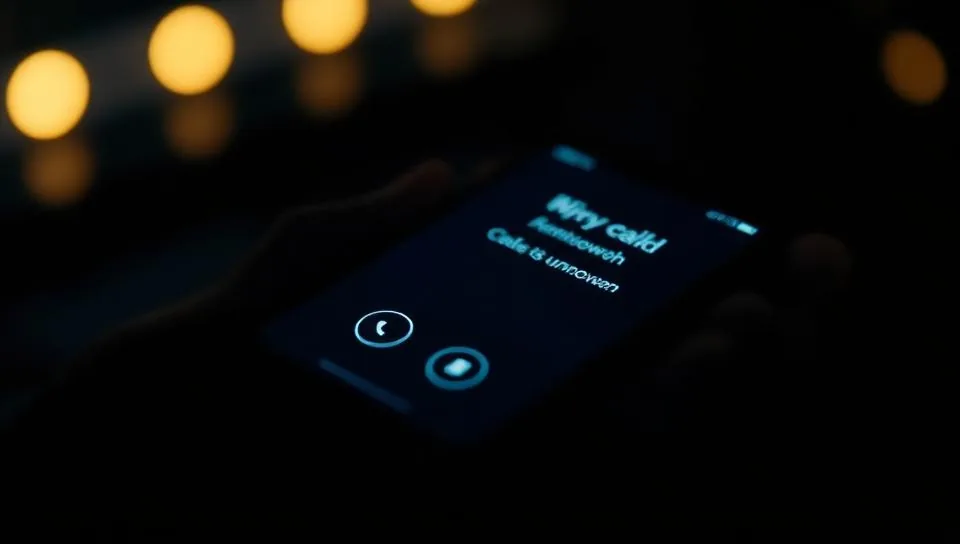
One of the most disturbing developments in this area is voice cloning. A scammer may send a voicemail that sounds like someone you know, a short urgent audio message, a voice note asking for fast help, a realistic-sounding request for funds, or instructions that seem to come from a trusted person.
Voice cloning is effective because people often trust tone, pacing, and familiarity more than text alone. A written message can feel suspicious. A familiar voice can override that skepticism.
3. Fake Video and Visual Identity Add Another Layer of Trust
Some scams now combine voice cloning with visual deception — fake video calls, pre-recorded clips presented as live, AI-generated faces, deepfake overlays, fake account verification videos, and polished social media personas.
The point is not always to maintain a perfect deception for a long time. Sometimes it only needs to work long enough to establish trust, reinforce legitimacy, explain a "problem," prompt a transfer, or pressure the victim into fast action.

4. These Scams Often Involve a Pretext That Feels Time-Sensitive
AI impersonation scams usually work best when the victim feels they should act quickly. The story may involve a compromised account, a support issue, an urgent wallet transfer, a "security check," a special investment opportunity, an emergency request, a frozen account, or a compliance deadline.
This sense of urgency matters because it reduces the chance that the victim will pause and independently verify what is happening. Fraud works better when people feel they are solving a problem rather than making a speculative decision.
5. Support Impersonation Is One of the Most Dangerous Variants
One of the most effective versions of this scam is fake support impersonation. The scammer may pretend to be exchange support, wallet support, blockchain investigators, compliance staff, fraud prevention teams, or account recovery specialists.
In reality, the goal is often to push the victim toward sending funds for "verification," sharing a recovery phrase, installing remote access tools, signing a malicious wallet prompt, transferring assets to a "safe" wallet, or paying an administrative fee.

If you received communications from someone impersonating support or a known contact, and sent funds as a result, a structured review can help clarify the facts.
Request a Confidential Case Evaluation6. Common Warning Signs
- The identity feels familiar, but the context feels unusual
- There is pressure to act quickly
- The request involves crypto, wallets, or urgent transfers
- The 'person' avoids normal verification
- The communication becomes more insistent if questioned
- The message relies heavily on emotion or authority
- The instructions lead you away from normal support channels
- The request involves secrecy or urgency
One sign alone may not prove fraud. Several together should be taken seriously.
7. How to Respond if You Suspect AI Impersonation
If you think the communication may be fake: stop engaging immediately. Do not send funds. Do not share your seed phrase. Do not install software at their instruction. Do not sign wallet prompts without understanding them. Preserve screenshots, voice notes, video captures, and timelines. Verify the person or company through a separate trusted channel.
Verification should happen outside the suspicious conversation, not inside it.
8. What to Do if You Already Sent Funds
If you already sent funds because of an AI impersonation scam: stop all further contact, preserve all communications, save wallet addresses and transaction hashes, document what identity was used, write a timeline of what happened, secure your wallet, email, exchange account, and device, and avoid random recovery offers that appear afterward.
If you want the facts reviewed in a structured and professional way, Crypto Recovery Authority offers confidential case evaluation for individuals dealing with impersonation-based and socially engineered crypto fraud.

Need help reviewing the identity signals, payment history, and communication evidence in your case?
Start Your Case EvaluationFinal Thoughts
AI impersonation scams work because they target one of the oldest human instincts in decision-making: trust in familiar identity. The voice may sound real. The profile may look real. The message may feel urgent and plausible. But crypto fraud does not need perfect deception. It only needs enough credibility to get the victim to act once.
If you believe you were manipulated through a fake identity, cloned voice, or support impersonation, preserve the evidence, secure your accounts, and avoid anyone promising fast solutions. If you want a more structured review of the facts, begin with a confidential case evaluation.