What Evidence Helps a Crypto Tracing Case?
After a crypto scam, many people assume the most important thing is simply proving that money was lost. In reality, a tracing review depends on something more specific: the quality, clarity, and completeness of the evidence.
A strong case file does not need to be perfect, but it does need to be organized. Wallet addresses, transaction hashes, screenshots, platform records, messages, and a clear timeline can all make a meaningful difference in how a case is understood.
This guide explains what evidence helps a crypto tracing case, why some records matter more than others, and how to organize information properly before requesting a professional review.

Why Evidence Quality Matters
Two people may lose the same amount of money in similar-looking scams and still end up in very different positions when it comes to review.
The reason is often evidence.
In crypto fraud cases, the strength of the review depends heavily on how much verifiable information is available and how clearly it is presented. A vague explanation that "money was sent and then disappeared" is not the same as a properly documented record showing:
- what asset was sent
- when it was sent
- from which wallet or exchange account
- to which destination address
- on which blockchain
- under what circumstances
- with what communication surrounding the transfer
The more structured the information, the easier it becomes to move from confusion to analysis.
1. Wallet Addresses Are One of the Most Important Starting Points
A tracing review often begins with wallet addresses.
These may include:
- the wallet you sent from
- the destination wallet you sent to
- deposit addresses shown by a platform
- any onward wallets that appear after the first transfer
- addresses used in follow-up payment requests
Wallet addresses matter because they provide the starting points for blockchain review. Without them, the case becomes much harder to examine clearly.
If you used an exchange and do not immediately know the relevant address, go back through your records, withdrawal history, and confirmation emails. Screenshots of transfers can also help identify the destination.
A common mistake is assuming the platform name alone is enough. In many cases, it is the wallet address, not the claimed platform label, that matters most at the start.

2. Transaction Hashes Help Establish What Actually Happened
If wallet addresses provide the starting point, transaction hashes help anchor the event itself.
A transaction hash can help show:
- that the transfer occurred
- when it occurred
- what asset moved
- how much was sent
- which blockchain was used
- which wallets were involved
In cases involving multiple transfers, hashes also help establish sequence. That can be extremely useful where a victim was persuaded to make repeated payments over time.
If you made more than one transfer, gather all relevant hashes and keep them in order. It is much easier to review a case when the transaction history is organized chronologically rather than pieced together later from memory.
3. Screenshots Still Matter More Than Many People Realize
Screenshots are not a substitute for raw transaction data, but they often provide critical context.
Useful screenshots may include:
- transfer confirmations
- wallet balances
- exchange withdrawal records
- scam platform dashboards
- fake profit screens
- blocked withdrawal messages
- payment demands
- "verification" or "tax" requests
- support chat windows
These records may later help show not just that funds moved, but how the fraud was presented to the victim.
For example, a scam platform that displayed a fake account balance or a fake withdrawal restriction can look very different from a simple wallet drain case. Screenshots help preserve that distinction.
Already gathered screenshots and transfer records?
Request a Confidential Case Evaluation4. A Clear Timeline Helps More Than People Expect
A timeline may sound basic, but it is often one of the most useful parts of a case file.
It helps establish:
- when the scam began
- how trust was built
- when the first payment was requested
- how many transfers occurred
- when new fees or demands appeared
- when withdrawal problems started
- when you realized the matter was fraudulent
This becomes especially important in cases involving pig butchering scams, fake investment platforms, impersonation fraud, task scams, and long-form social engineering.
The timeline does not need to be polished. It needs to be accurate. Even a simple bullet-point chronology can make a major difference. For more on early steps, see our guide on what to do in the first 24 hours after a crypto scam.
5. Communications Can Help Explain the Structure of the Fraud
Messages often reveal how the scheme operated.
Relevant communications may include:
- WhatsApp messages
- Telegram chats
- emails
- fake support conversations
- social media DMs
- investment group messages
- payment instructions
- withdrawal explanations
- fee demands
- wallet connection prompts
These records can help show whether the matter involved inducement through trust-building, repeated pressure tactics, impersonation, fake account restrictions, escalating payment demands, or attempts to keep the victim engaged after funds were sent.

6. Website and Platform Records Can Be Extremely Valuable
In many scams, the victim interacts with a website or app that appears legitimate at first glance. Later, that same interface becomes part of the evidence.
Useful platform records may include:
- website URLs
- login pages
- dashboard screenshots
- visible balances
- account history pages
- fake compliance notices
- blocked withdrawal messages
- fee or verification prompts
- fake customer support pages
This is particularly important in investment platform scams, exchange impersonation cases, and fake wallet recovery schemes.
Websites can disappear quickly. The same is true of fake apps and browser-based dashboards. Preserve these records early.
7. Device and Account Compromise Evidence May Also Matter
Not every case is simply a transfer to the wrong address. Some involve broader compromise.
If relevant, preserve evidence of:
- suspicious login alerts
- new device access
- unauthorized API keys
- malicious wallet approvals
- phishing links
- suspicious browser extensions
- remote access software
- unexpected security changes
- email password reset activity
This type of evidence may help distinguish between voluntary but fraud-induced transfers, direct wallet compromise, exchange account intrusion, and phishing-driven account takeover.
8. What Makes Evidence Stronger
Good evidence is not just about quantity. It is about usability.
Evidence becomes more useful when it is:
- clearly labeled
- organized by date
- grouped by transfer
- stored in one place
- supported by screenshots and hashes together
- easy to follow without guesswork
A strong case file does not need to look technical. It needs to be coherent. For example, this is more helpful: wallet sent from, wallet sent to, date and time, asset and amount, transaction hash, screenshot, related message or payment request — than dozens of unorganized screenshots with no explanation.
Need help understanding which evidence matters most?
Start Your Case Evaluation9. What Weakens a Case File
Some problems come up repeatedly.
A case file is often weaker when:
- wallet addresses are missing
- transaction hashes are incomplete
- screenshots are scattered across devices
- the timeline is unclear
- messages have been deleted
- the victim relies only on memory
- there is no record of how the scam began
- platform URLs were not preserved
- multiple transfers are mixed together with no sequence
That does not mean the case cannot be reviewed. It simply means the review may become slower, less clear, or more limited.
The earlier the evidence is preserved, the stronger the foundation tends to be.
10. How to Organize a Case Before Requesting Review
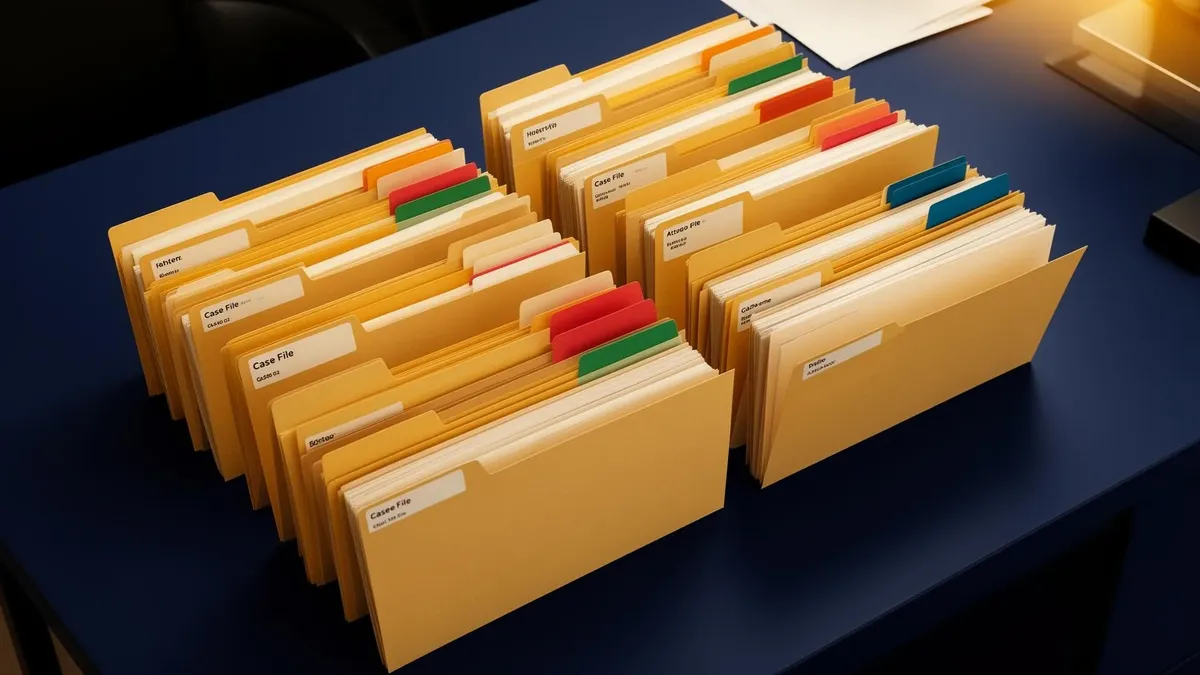
A simple case folder can make a major difference.
Folder 1: Transactions
- wallet addresses
- transaction hashes
- screenshots of transfers
- exchange withdrawal records
Folder 2: Communications
- chats
- emails
- payment instructions
- usernames
- call logs
Folder 3: Platform Records
- website screenshots
- dashboard balances
- blocked withdrawal messages
- fake support screens
Folder 4: Timeline
- a written chronology of the events
Folder 5: Security / Device Records
- suspicious login alerts
- wallet approval evidence
- device-related screenshots
This kind of structure makes the case much easier to understand.
If you want your evidence reviewed in a structured and professional format, Crypto Recovery Authority offers confidential case evaluation for individuals dealing with crypto fraud.
When a Professional Review Becomes More Important
It may be especially useful to seek a structured review where:
- the loss is material
- multiple transfers are involved
- the scam unfolded over time
- wallet or account compromise may be involved
- the transaction history spans several wallets or chains
- the evidence exists but is difficult to interpret
- you are unsure what details matter most
A professional review can help identify what the evidence supports, what may still be missing, and what the most appropriate next steps may be.
Final Thoughts
A crypto tracing case is rarely strengthened by emotion alone. It is strengthened by evidence.
The better the evidence is preserved and organized, the more clearly the case can be reviewed. Wallet addresses, transaction hashes, screenshots, communications, platform records, and a simple timeline all play a part.
If you believe you have enough information to begin a structured review, Crypto Recovery Authority offers confidential case evaluation for individuals seeking a clearer and more professional assessment of the facts.
If you want the facts reviewed in a structured way, begin with a confidential case evaluation.
Review My Case