
1. Stop Using the Wallet Normally
If your wallet has been drained, the first step is not to continue using it as though nothing happened. Do not:
- Keep signing random transactions
- Reconnect it to multiple sites
- Assume only one token was affected
- Treat the wallet as safe without review
- Rush into more wallet interactions out of panic
A drained wallet often means more than a missing balance. It may indicate malicious approval, signature phishing, seed phrase exposure, extension compromise, phishing site interaction, or broader device risk. The first principle is containment.
2. Secure Remaining Assets Carefully
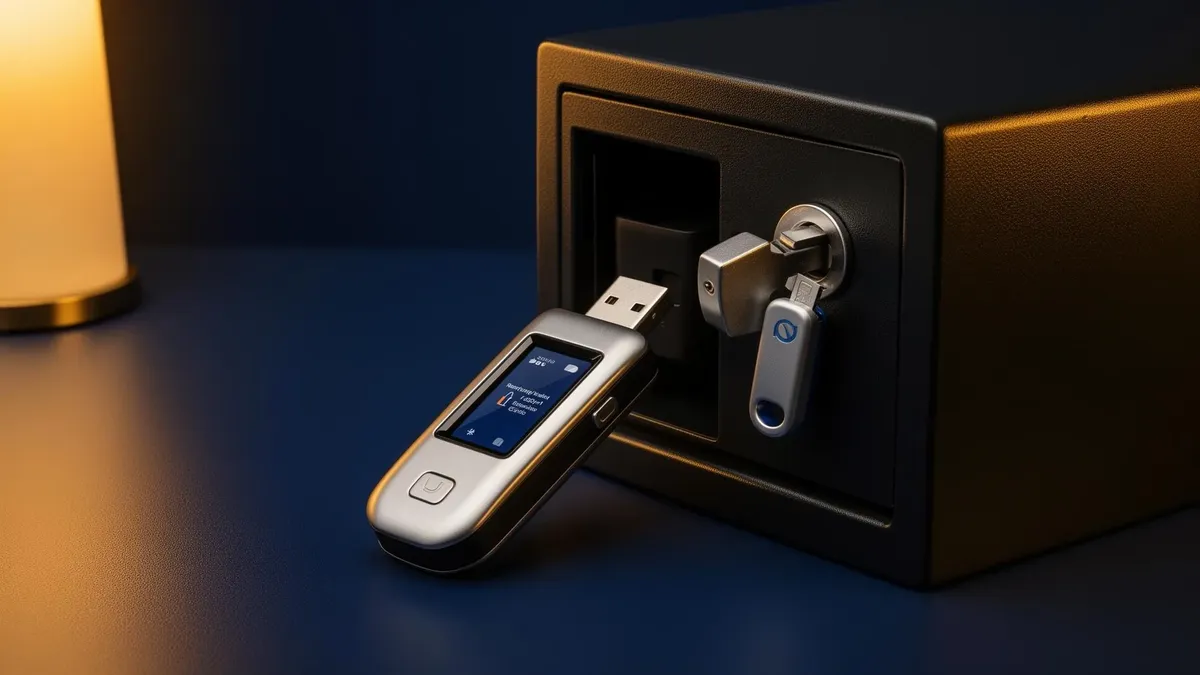
If assets remain in the wallet and compromise is reasonably suspected, the next priority may be to move what remains to a newly created secure wallet. That should be done carefully.
A rushed transfer from the same compromised device or environment may create more problems if:
- The browser is compromised
- The seed phrase was exposed
- The clipboard is being hijacked
- A malicious extension is still active
- Remote access tools are present
The right move depends on what kind of exposure is most likely. That is why documentation matters as much as urgency.
3. Preserve the Evidence Before Cleaning Up Too Much
Many victims start changing settings, revoking permissions, or closing tabs so quickly that they accidentally erase useful context. Before making too many changes, preserve:
- Wallet address
- Relevant transaction hashes
- Asset balances before and after
- Screenshots of wallet activity
- Connected site URLs
- Suspicious prompts or signature requests
- Browser tabs or pages involved
- Dates and times of the drain
If you still have access to the site or prompt that triggered the incident, capture it. Those records can become much harder to recreate later.
Already preserved the wallet address, hashes, and screenshots?
Request a Confidential Case Evaluation4. Review and Revoke Suspicious Approvals Carefully
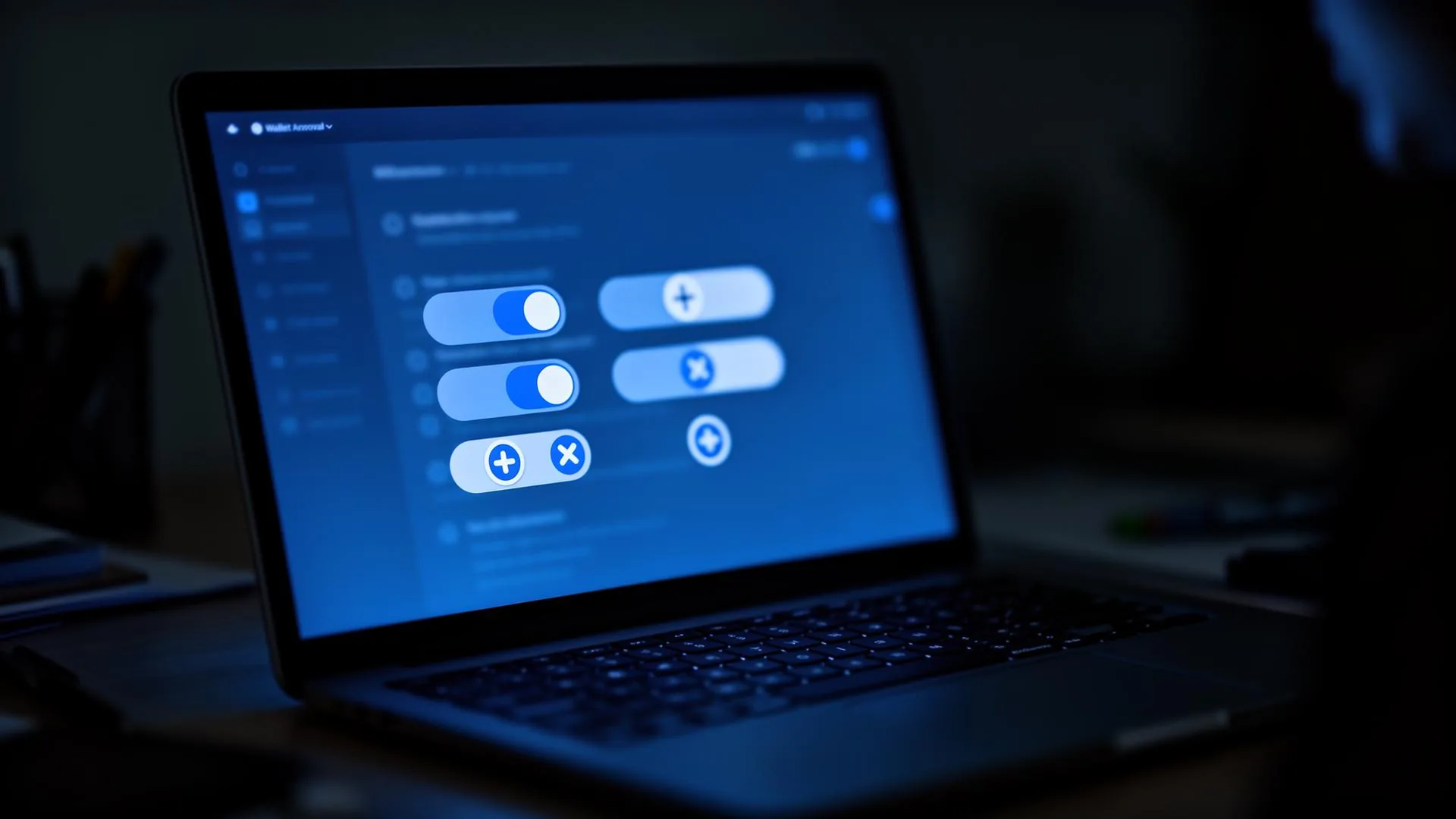
Where relevant, suspicious approvals should be reviewed and revoked carefully. This matters because some drains are linked to permissions that remain active after the first malicious interaction. In those cases, even if the initial loss has already happened, the wallet may still be exposed to further problems.
That said, revoking permissions is not a full solution if the wallet itself has been more deeply compromised. It helps to think of approval review as one part of the response, not the whole response.
5. Consider Whether the Device or Seed Phrase May Be Compromised
A drained wallet does not always mean the same thing. Possible causes include:
- Malicious signature
- Broad token approval
- Seed phrase exposure
- Phishing page
- Fake browser extension
- Compromised browser session
- Malware
- Remote access compromise
- Clipboard hijacking
This distinction matters because a wallet drained through a malicious approval is not identical to a wallet drained because the seed phrase was exposed. The more accurately the likely cause can be understood, the more useful the next steps become.
6. Write a Clear Incident Timeline
Even in technical-looking cases, a simple timeline helps. Record:
- What site or link you interacted with
- When the interaction happened
- What you thought you were approving
- When you first noticed unusual wallet activity
- Whether multiple assets moved
- Whether the drain happened immediately or later
- What steps you took afterward
A good timeline does not need to sound polished. It needs to be clear. That clarity can help separate cause, effect, and later assumptions.
7. Organize the Case File Properly
A structured case file should include:
- Wallet address
- Transaction hashes
- Screenshots
- Timeline
- Asset list
- Suspicious URL or site
- Browser or extension details if relevant
- Any messages or prompts involved
This is especially important when multiple assets moved, there were several transactions, the wallet still shows abnormal activity, or the user is unsure how the exposure occurred.

Need help understanding whether the drain came from an approval, signature, or broader compromise?
Start Your Case Evaluation8. Avoid Random Recovery Offers
After a wallet drain, many victims receive comments or messages from people claiming they can reverse the transaction, hack funds back, or recover assets quickly. That should be treated carefully.
A real review process should not begin with miracle promises or pressure. It should begin with the facts: what wallet was involved, what moved, when it moved, what interaction likely triggered it, and what evidence is available.
Confusion after a wallet drain often makes victims vulnerable to a second scam. That is why caution matters here too.
9. When a Structured Review Becomes Useful
A structured review may be especially useful where:
- Multiple transactions are involved
- Several assets moved
- The wallet history is difficult to interpret
- The likely trigger is unclear
- A malicious approval may still be active
- The user is unsure whether the wallet is still safe
- The loss appears linked to a fake dApp or phishing page
If you want the wallet activity and supporting evidence reviewed in a structured way, Crypto Recovery Authority offers confidential case evaluation for individuals dealing with drained wallets and suspicious on-chain activity.

Final Thoughts
A drained wallet creates urgency, but the response still needs structure. Secure what remains, preserve the evidence, avoid random recovery promises, and treat the incident as more than a single missing balance.
What happened on-chain may still reveal an important story. The key is not to erase that story by moving too fast in the wrong direction.
If you want the wallet activity reviewed in a structured way, begin with a confidential case evaluation.
Review My Case