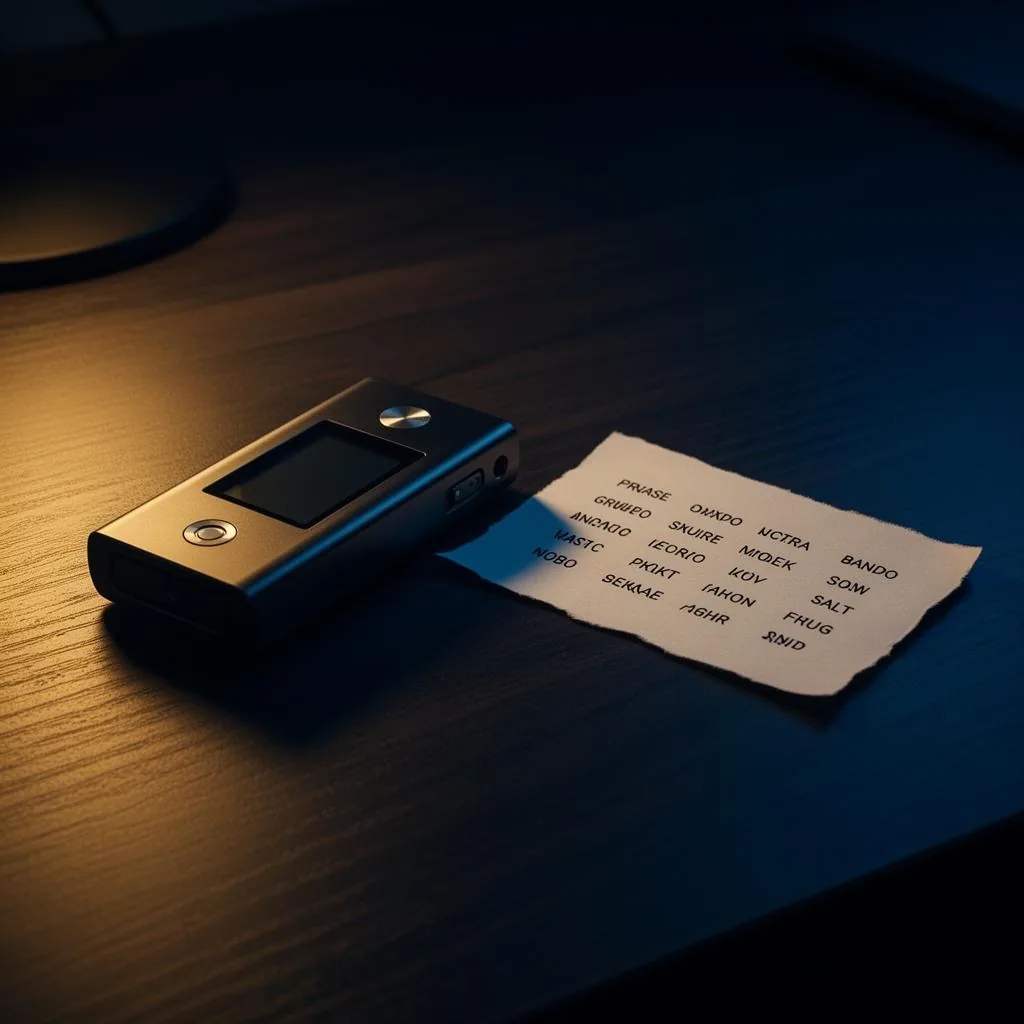
Why Seed Phrase Theft Is So Serious
A seed phrase is the core recovery mechanism for a self-custodied wallet. If the phrase is exposed, an attacker may be able to:
- Import the wallet elsewhere
- Gain full access to the assets
- Monitor balances
- Move funds later without warning
- Continue draining the wallet over time
That is why any request for the seed phrase should be treated with extreme caution. Once it is revealed, the attacker may no longer need to persuade the victim again.
1. Most Seed Phrase Theft Begins With Social Engineering
Victims are often not "hacked" in the dramatic way they imagine. They are manipulated. The scam may involve fake support, a fake wallet recovery page, an urgent security warning, a message claiming your wallet is compromised, instructions to "verify" or "restore" the wallet, or a fake fraud prevention process.
The goal is to get the victim to reveal the phrase voluntarily under pressure, confusion, or false authority.

2. Fake Support Is One of the Most Common Methods
Scammers frequently pretend to be wallet support, exchange support, security teams, fraud investigators, blockchain support staff, or recovery specialists. They may sound calm, professional, and technically informed.
The victim is told that the phrase is needed to restore the wallet, verify ownership, investigate suspicious activity, secure the account, or complete recovery steps. This is false. A legitimate support process should not require disclosure of the seed phrase.
3. Fake Recovery Pages Are Built to Steal the Phrase
Some scams use a phishing page that imitates a real wallet interface, a browser extension, a recovery tool, a support portal, or a "secure verification" screen. The user is asked to enter the phrase, believing they are fixing a problem. In reality, they are handing the attacker direct control.

If you believe your recovery phrase may have been exposed through a fake support interaction or phishing page, a structured review can help clarify the situation.
Request a Confidential Case Evaluation4. Why Victims Sometimes Reveal the Phrase
People often ask how someone could share something so sensitive. The answer is usually pressure, not carelessness. Victims may believe the wallet is at risk, the support person is real, they are following the correct recovery process, the threat is urgent, or the phrase is needed for verification.
Seed phrase theft is often less about technical complexity and more about manipulated trust.
5. Warning Signs That Should Never Be Ignored
- Anyone asking for the full recovery phrase
- Support messages coming through unofficial channels
- A wallet recovery page reached from a DM, ad, or email
- Instructions to act urgently without independent verification
- Claims that your wallet will be lost unless you comply
A recovery phrase should never be shared in a normal support interaction.
6. What to Do if the Seed Phrase May Have Been Exposed
If you believe the seed phrase may have been exposed:
- Treat the wallet as compromised
- Stop using it normally
- Move remaining assets to a newly created secure wallet if safe to do so
- Preserve wallet addresses and transaction history
- Save the site, messages, or instructions involved
- Document when and how the exposure happened
- Secure associated email and device environments
The key is to move from panic to structure as quickly as possible.

Need help understanding whether your wallet was compromised through seed phrase exposure?
Start Your Case Evaluation7. Why a Structured Review Can Still Help
Seed phrase theft cases often feel final, and in many ways they are among the most serious wallet compromise cases. Even so, a structured review can still help clarify how the phrase was exposed, what wallet activity followed, what assets were affected, what evidence is available, and how the transaction path unfolded.
That clarity may be especially important where multiple transfers, platforms, or wallets are involved. If you want the wallet activity and supporting evidence reviewed in a structured way, Crypto Recovery Authority offers confidential case evaluation for individuals dealing with wallet compromise and recovery phrase exposure.

Final Thoughts
Seed phrase theft is one of the clearest examples of how crypto scams target trust, urgency, and confusion at the same time. Once the phrase is exposed, the attacker may not need you again. That is what makes prevention so important and fast, careful response so necessary when exposure is suspected. For an overview of recovery possibilities, see our guide on whether stolen cryptocurrency can be recovered. If you are unsure what to do first, read what to do in the first 24 hours after a crypto scam.
If you believe your recovery phrase was revealed and want the facts reviewed more clearly, begin with a confidential case evaluation.